Sentinal mineral reserve inc.
Strategic Mineral Exploration
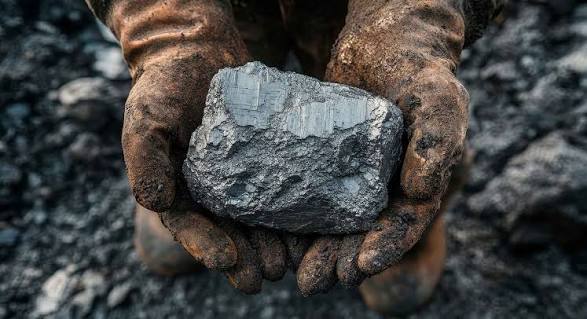
New technology is making overlooked deposits viable for development and production
Historic Changes in the Mineral Markets
Current geopolitical changes have created market conditions that never existed before. The imperative to de-couple from China has severely restricted supplies of a long list of metals and minerals that now must be sourced from elsewhere. Regulatory requirements advancing the "green" agenda have created a demand for others that were never before so sought after. These factors have brought an exploration boom that will only intensify over the coming years.
For decades, stagnant prices in metals and minerals dulled the thirst for new supplies. Inflationary pressure and monetary problems have become major issues throughout western nations, especially after the response to Covid which saw historic increases in the supply of the world's currencies. The effects have been to dramatically increase the value of gold and silver. One by one, other metals and minerals seem to be following suite. This would be the case if there were no other price pressures. However, this inflationary pressure is merely the background for the massive increases in demand and reduction in supply that are now in motion. In other words, this is not some "flavor of the week" or transitory market fluctuation. The long term case for higher mineral prices will keep pushing exploration and development further.
Strategic Minerals
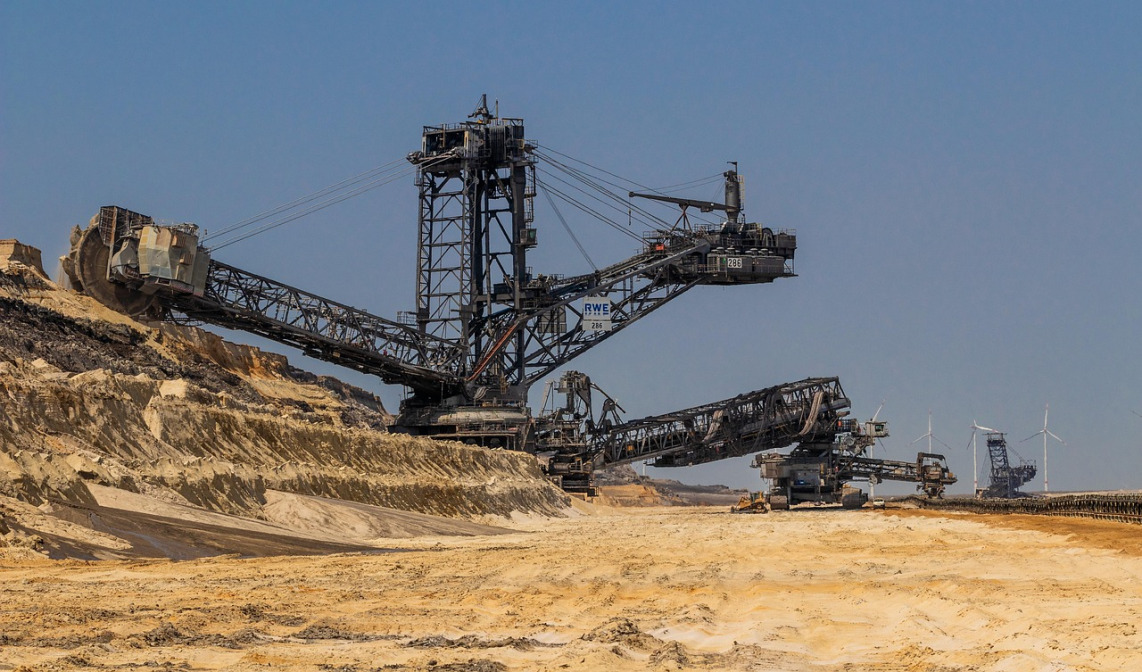
Strategic minerals vital, non-fuel commodities that are essential for the economic, technological and defense sectors, often facing high supply chain risks due to concentrated, limited, or geopolitically sensitive, geographical sourcing. Key examples include cobalt, lithium, tungsten, nickle and gallium.
Key Strategic Minerals and Their Uses
-
Lithium and Cobalt: Essential components for high-density rechargeable batteries.
- Tungsten: Know for extreme hardness and heat resistance, tungsten is used in tools, machinery and defense applications.
-
Gallium and Germanium: Critical for semiconductors, high-speed computer chips, and advanced lighting.
-
Graphite: A major component in lithium-ion battery anodes.
-
Copper: Essential for electric and electronic applications as well as power transmission.
Rare Earth Minerals
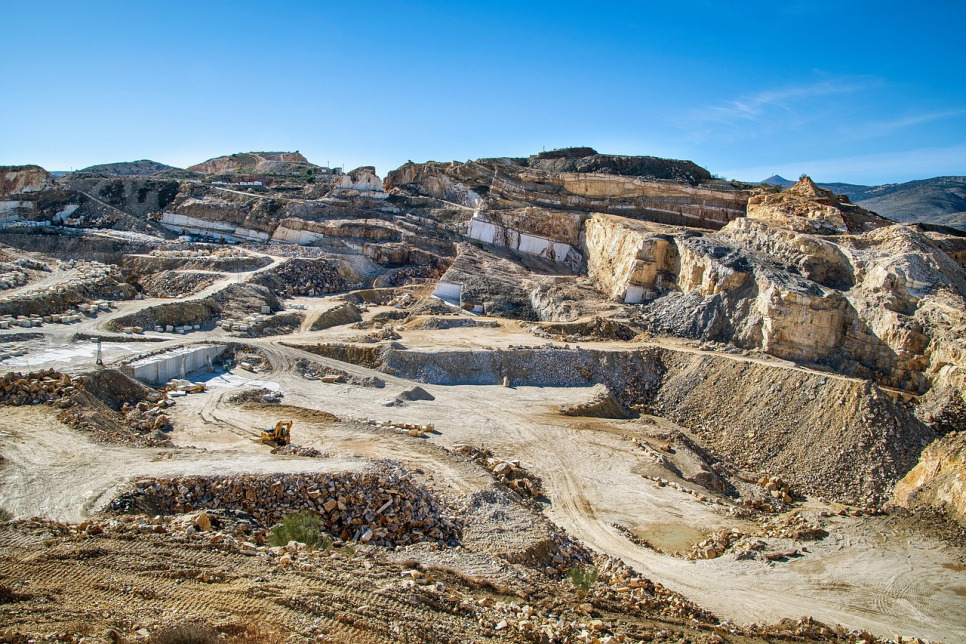
Rare Earth minerals are seventeen, relatively abundant, silvery-white metallic elements (fifteen lanthanides plus scandium and yttium) that are essential for high-tech and defense applications. Although called "rare" these element are found globally but can be difficult to prospect for or mine economically due to low concentrations.
Rare Earth Minerals and Elements
-
Primary Mineral Sources: Bastnasite, monazite, and xenotime are the most critical ores for extracting these elements.
- Key Elements: Neodymium and praseodymium are vital for high strenght magnets used in electric vehicals and wind turbines. Dyprosium and terbium are used due their thermal stability, while lanthanum and cerium have catalytic and optical applications.
-
Light verses Heavy: Light Rare Earth Elements (LREEs) such as cerium or neodynium are more abundant, while Heavy Rare Earth Elements (HREEs) like Dysprosium and Yttium are scarcer and in higher demand.
Economic and Technological Importance
- Technology and Consumer Goods: Rare Earth Elements are used in smartphones, hard drives, flat-screen monitors, and electric vehicles.
- Defense and Industry: Rare Earth Elements are critical for guidance systems, lasers, radar, sonar, space applications, and medical technology.
The Global Search for Rare Earth Elements
Rare Earth Elements can be found world wide while major deposits and processing facilities are currently concentrated in the United States, China, Australia, Brazil, and Russia. Due to their increasing value many countries are actively search for new deposits, including Canada, Greenland, and others.
Prospecting for Rare Earth Elements involves locating specific geological enviroments such as carbonatites, alkaline-silicate rocks and ion-adsorption clays. By using advanced geophysical and geochemical methods, including XRF analyzers to detect pathfinder minerals like monazite.
Strategies in Rare Earth Element Prospecting
-
Targeting Geological Structures: Primary deposits are often associated with alkaline igneous rocks, carbonatites, and monazite-rich mineral sands.
-
Identifying "Pathfinders" Minerals: Prospectors look for associated elements that indicate a rare earth presence, such as thorium, barium, strontium, and fluorine.
Modern Technology in Rare Earth Prospecting
- Portable X-ray Fluorescence (pXRF): Used for quick, on-site, low cost analysis to identify mineral concentrations.
- Remote Sensing: Satellites detect specific wavelengths (shortwave infrared) that indicate rare earth bearing minerals like monazite and xeontime.
- AI Modeling Analysis: AI modeling can be used analyze complex spectral data identify, quantify, and map deposits in real-time.