Sentinal mineral reserve inc.
Exploration & Development
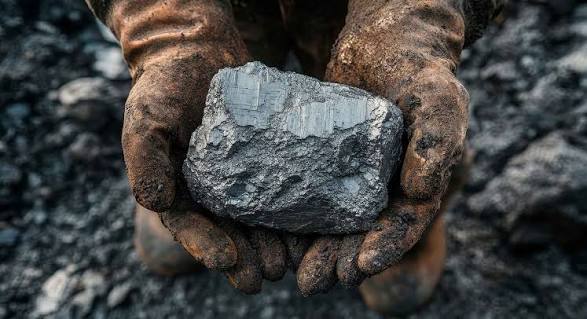
New technology is making overlooked deposits viable for development and production
Exploration & Development
Breakthrough technology is now transforming mineral exploration from a labor-intensive manuaal proces into precision digital science. Current advancements allow smaller exploration companies to identify overlooked or remote deposits or make previously ignored resources economically viable for development.
Advanced Geophysic and Remote Sensing
New sensor technology is providing "X-ray vision" into the earth, revealing deposits previously hidden by vegetation or sediment.
-
Hyperspectral Imaging: These sensors can capture hundreds of narrow spectral band to create detailed maps of mineral deposits. They are able detect subtle chemical changes (alteration halos) in the rock surrounding gold or copper deposits from satellites or drones.
-
Ambient Noise Tomography (ANT): Is a passive, non-invasive geophysical imaging technique that using background seismic vibrations to create 3D images of the earths subsurface in the crust and upper mantle.
-
Drone-Based Surveys: Drones equipped with LiDAR or high-resolution magnetometers can survey and map large, inaccessable areas much more safely, quickly and cheaply than using aircraft or helicopters.
AI and Machine Learning for Target Generation
AI has become a force multiplier for geologists, processing massive datasets to find patterns that humans might overlook.
- Predictive Modeling: Machine Learning Models can intergrate historical drilling logs, satellite imagery, and geochemical data to pinpoint high potential zones.
- Data Intergration: AI-driven "data fusion" combines multiple data streams, such as gravity surveys and magnetomerty, into accurate 3D subsurface models, reducing the costs and risk of "blind drilling".
- Efficiency Gains: These tools can increasing discovery rates as much as 75% and reduce exploration timelines up to 30%.
Precision Extraction
Technology is making previously "unreachable" or "worthless" deposits profitable by reducing extraction costs and waste.
-
Surgical Mining: By using downhole sensors and AI-guided drilling to extract narrow, high grade veins operations can reduce waste by up to 95% over traditional methods.
-
Sensor Based Ore Sorting: Advanced systems can use X-ray or infrared spectroscopy to instantly seperate valuable ore from waste rock during the mining process, significantly increasing the yield of low grade deposits.
-
Bioleaching: By utilizing microorganisms to extract gold and other minerals provide a cost effective alternative to cyanide, making low grade ores economically worth recovering.
Digital Core Libraries
-
Digitization: National digitization initiatives, such as the Canadian Digital Core Library are digitally archiving millions of meters of physical drill cores. This allows AI to re-analyze decades of old data to find "missed" deposits in existing sites.
-
Real Time Analysis: Portable X-ray Fluorescence (XRF) analyzers allow geologists to get immediate chemical results in the field, enabling to adjust drilling programs in real time rather than waiting for weeks to receive lab results.